5/08/2010

Forest Fires

Sri Lanka's forests are one of the country's richest natural resources, supporting a huge diversity of plant and animal species providing forest products to support local livelihoods. Over the years the forested lands have been deceased drastically due to number of causes. These include clearing for agriculture and large development projects, selective felling of timber, and recently, introduction of invasive species. apart from these factors forest fires can be considered as an agent for forest degradation.

Tropical rain forests in their undisturbed state are nearly fire proof. The stratification structure of the forest helps to keep wetness inside the forest. As tropical forests are opened up for logging and agriculture, they become very fire prone, and produce more died wood than under natural condition and provide fuel for future fires. After a forest is burnt, more light and space is available for grasses and other vegetation to grow on the fores floor. This vegetation dries out more quickly and easily burns. Creating conditions for annual fires.
Knowledge on effect of fire to the forest to the forest is very important for managing degraded forest and plantations. Generally it affects the composition, structure and pattern of vegetation of the landscape. The forest manager faces a complex challenge in managing fire to achieve beneficial effect and avoid unwanted results. Even attempts to eliminate harmful fire can cause undesirable consequences such as increased risk of fire and declining ecosystem health. Thus. it is important that the immediate and long term effects of fire be understood and integrated into forest restoration program.

Causes of Forest Fire
Forest fires are caused by natural as well as man made caused. Many forest fire starts from natural causes such as lighting which set trees on fire. High atmospheric temperatures and dryness offer favorable conditions for a fire to start. Man made fire is caused when a source of fire like naked flame, cigarette, electronic spark or any source of ignition comes into contact with inflammable material.

Even though natural forest fires are not common in Sri Lanka, there are some forest fires which are created by human. These human activities are significant in savanna grasslands because it is an effective tool to prepare lands for agricultural activities. Other than this, some cattle farmers set fire to the grassland for obtaining young leaves to feed their cattle. Not only grassland but also forest plantations such as Pinus and Eucalyptus in dry and low humidity areas are very sensitive to fire. The number of fires reported annually ranges from 50-200 depending on the prevailing weather conditions in Sri Lanka.

Types of Forest Fire
There are to type of forest fires:
1 Surface fire, and
2. Crown fire.

Surface Fire
A forest fire may burn primarily as a surface fire, spreading along the ground as the surface litter on the forest floor and is engulfed by the spreading flames.

Crown Fire
The other type of forest fire is crown fire in which the crown of trees and shrubs burn. Often sustained by a surface fire. A crown fire is particularly very dangerous in a coniferous forest because resinous material given off burning logs burn furiously. On hill slopes, if the fire starts downhill, it spreads up fast as heated air adjusted to a slope tends to flow up the slope spreading flame along with it. If the fire starts uphill there is less likelihood of it spread in downwards.

Damage of the fire to the ecosystem and their subsequent recovery depend on various factors such as fire behavior, fire duration, the pattern of fuel consumption, and subsurface heating. Fire can damage or kill trees through effects on tree species has different vulnerability to fire, which can vary on different site.

fire have both positive an negative effects to the environmental. Most of the public attention inclines to its negative effects. These include the destruction of vegetation, the loss of plants and animal, threats to biodiversity, and erosion in mountain areas when soil is exposed. Moreover fires can create favorable sites for invasive plant species to become established and flourish.

The positive impacts of fire and less widely appreciated. In place where decay is constrained by dry and cold climates, fire plays a dominant role in recycling plant debris. apart from that, fire can induce germination of dormant seeds of some species. Germination of some hand seeds can occur only after fire ruptures seed coat., allowing water to enter. Some seeds require dry heat to induce germination, but are killed by low temperatures if they have imbibed moisture.

Managing forest fire

Wildfire prevention refers to the preemptive methods of reducing the risk of fires as well as lessening its severity and spread.Effective prevention techniques allow supervising agencies to manage air quality, maintain ecological balances, protect resources, and to limit the effects of future uncontrolled fires.Policies may permit naturally-caused fires to burn to maintain their ecological role, so long as the risks of escape into high-value areas are mitigated.However, prevention policies must consider the role that humans play in wildfires, Sources of human-caused fire may include arson, accidental ignition, or the uncontrolled use of fire in land-clearing and agriculture.


Wildfires are caused by a combination of natural factors such as topography, fuels, and weather. Other than reducing human infractions, only fuels may be altered to affect future fire risk and behavior. Wildfire prevention programs around the world may employ techniques such as wildland fire use and prescribed or controlled burns. Wildland fire use refers to any fire of natural causes that is monitored but allowed to burn.Controlled burns are fires ignited by government agencies under less dangerous weather conditions.Vegetation may be burned periodically to maintain high species diversity, and frequent burning of surface fuels limits fuel accumulation, thereby reducing the risk of crown fires. Using strategic cuts of trees, fuels may also be removed by hand crews in order to clean and clear the forest, prevent fuel build-up, and create access into forested areas. Chain saws and large equipment can be used to thin out ladder fuels and shred trees and vegetation to a mulch. Multiple fuel treatments are often needed to influence future fire risks, and wildfire models may be used to predict and compare the benefits of different fuel treatments on future wildfire spread. However, controlled burns are reportedly "the most effective treatment for reducing a fire’s rate of spread, fireline intensity, flame length, and heat per unit of area" according to Jan Van Wagtendonk, a biologist at the Yellowstone Field Station. Additionally, while fuel treatments are typically limited to smaller areas, effective fire management requires the administration of fuels across large landscapes in order to reduce future fire size and severity.


Building codes in fire-prone areas typically require that structures be built of flame-resistant materials and a defensible space be maintained by clearing flammable materials within a prescribed distance from the structure. Communities in the Philippines also maintain fire lines 5 to 10 meters (16 to 33 ft) wide between the forest and their village, and patrol these lines during summer months or seasons of dry weather.Fuel buildup can result in costly, devastating fires as new homes, ranches, and other development are built adjacent to wilderness areas. Continued growth in fire-prone areas and rebuilding structures destroyed by fires has been met with criticism. However, the population growth along the wildland-urban interface discourages the use of current fuel management techniques. Smoke is an irritant and attempts to thin out the fuel load is met with opposition due to desirability of forested areas, in addition to other wilderness goals such as endangered species protection and habitat preservation. The ecological benefits of fire are often overridden by the economic and safety benefits of protecting structures and human life.For example, while fuel treatments decrease the risk of crown fires, these techniques destroy the habitats of various plant and animal species. Additionally, government policies that cover the wilderness usually differ from local and state policies that govern urban lands.


5/05/2010

Forestry n Environmental Science Society


Notice
Hi friends now you can become a member of young Scientist association by filling on line forum in www.youngscientistsrilanka.org and there will be a meeting on coming Saturday 9.30am at Physics dept.

5/01/2010

Leaf Feeder attack on Mahogany

Xylosandrus compactus

Black twig borer, Xylosandrus compactus has been identified as a serious insect pest in mahogany nurseries.

Nature of damage
The larvae feed on young tender leaves and other soft tissues of the terminal portion of the host seedling. They skeletonize the leaf or sometimes entire leaf is eaten.During sever infestations, tender part of most seedlings in the nursery was damaged by the larval feeding.

As a result repeated defoliation and damage to the apical shoot, the affected seedlings exhibit symptoms of die-back in tips and several axial buds start growing and this gives a bushy form to the crown of the seedling.

Infections could be easily noticed due to the presence of webbed frass with dried veins of the leaves made by larvae on the foliage. Larvae are nocturnal feeders.

Description of the pest
Larvae are about 3.5 to 4.5cm long when full grown. The color is dull brown in the older larvae with dark lateral strips on the both surfaces.

When about to pupate, the larvae rappel to the ground and pupate on the ground litter.Pupa is reddish brown in color and 2cm long. Pupation takes place within 5-8 days. The moth is brownish grey in color and 1.5-2cm in wingspan. The moth is nocturnal and hides in the vegetation during the day time.

Economic importance
A heavy defoliation reduces the vigor of the seedlings, thereby making it more susceptible to other pests especially for black twig borer damage. Then reduces the quality of seedlings.

Management
Hand collection of larval webs and destroying them will often provide satisfactory control in nurseries.
Any foliar spray used to control lepidopteron larvae can be applied to minimize the damage. Spraying the insecticide to the foliage at the beginning of first signs is most effective.
The Larva

The Pupa

Adult moth

The Leaves damaged by larvae

Typical Leaf web made by larva

Early stage of attack

Bushy appearance of crown due to larval feeding
4/30/2010

vista wallpapers

click here

Tx20 ICC World Cup 2010 Schedule

Fri 30
17:00 GMT, 13:00 local
1st Match, Group B - Sri Lanka v New Zealand
Providence Stadium, Guyana

Fri 30
21:00 GMT, 17:00 local
2nd Match, Group D - West Indies v Ireland
Providence Stadium, Guyana
Sat 01
13:30 GMT, 09:30 local
3rd Match, Group C - India v Afghanistan
Beausejour Cricket Ground, St. Lucia

Sat 01
17:30 GMT, 13:30 local
4th Match, Group A - Pakistan v Bangladesh
Beausejour Cricket Ground, St. Lucia

Sun 02
13:30 GMT, 09:30 local
5th Match, Group C - India v South Africa
Beausejour Cricket Ground, St. Lucia

Sun 02
17:30 GMT, 13:30 local
6th Match, Group A - Pakistan v Australia
Beausejour Cricket Ground, St. Lucia

Mon 03
13:30 GMT, 09:30 local
7th Match, Group B - Zimbabwe v Sri Lanka
Providence Stadium, Guyana

Mon 03
17:30 GMT, 13:30 local
8th Match, Group D - West Indies v England
Providence Stadium, Guyana

Tue 04
13:30 GMT, 09:30 local
9th Match, Group B - New Zealand v Zimbabwe
Providence Stadium, Guyana

Tue 04
17:30 GMT, 13:30 local
10th Match, Group D - England v Ireland
Providence Stadium, Guyana

Wed 05
13:30 GMT, 09:30 local
11th Match, Group A - Australia v Bangladesh
Kensington Oval, Barbados

Wed 05
17:30 GMT, 13:30 local
11th Match, Group C - South Africa v Afghanistan
Kensington Oval, Barbados

Thu 06
13:30 GMT, 09:30 local
13th Match - A1 v D2
Kensington Oval, Barbados

Thu 06
17:30 GMT, 13:30 local
14th Match - C1 v B2
Kensington Oval, Barbados

Fri 07
13:30 GMT, 09:30 local
15th Match - A2 v C2
Kensington Oval, Barbados

Fri 07
17:30 GMT, 13:30 local
16th Match - B1 v D1
Kensington Oval, Barbados

Sat 08
13:30 GMT, 09:30 local
17th Match - C1 v D2
Kensington Oval, Barbados

Sat 08
17:30 GMT, 13:30 local
18th Match - A1 v B2
Kensington Oval, Barbados

Sun 09
13:30 GMT, 09:30 local
19th Match - C2 v D1
Kensington Oval, Barbados

Sun 09
17:30 GMT, 13:30 local
20th Match - B1 v A2
Kensington Oval, Barbados

Mon 10
13:30 GMT, 09:30 local
21st Match - B2 v D2
Beausejour Cricket Ground, St. Lucia

Mon 10
17:30 GMT, 13:30 local
22nd Match - A1 v C1
Beausejour Cricket Ground, St. Lucia

Tue 11
17:00 GMT, 13:00 local
23rd Match - B1 v C2
Beausejour Cricket Ground, St. Lucia

Tue 11
21:00 GMT, 17:00 local
24th Match - D1 v A2
Beausejour Cricket Ground, St. Lucia

Thu 13
15:30 GMT, 11:30 local
1st Semi-Final - TBC v TBC
Beausejour Cricket Ground, St. Lucia

Fri 14
15:30 GMT, 11:30 local
2nd Semi-Final - TBC v TBC
Beausejour Cricket Ground, St. Lucia

Sun 16
15:30 GMT, 11:30 local
The Final - TBC v TBC
Kensington Oval, Barbados

4/26/2010

හග්ගල අසිරිය නොකෙලසන් මිනිසුනේ....!


හග්ගල මල්වත්ත මෙරට ප්‍රධාන තැනක් ගන්නේ එහි දේශගුනික ලක්ෂන නිසාය. එහි සෞමයය දේශගුණයක් ඇත. මුහුදු මට්ටමෙ සිට උස අඩි 5400 පමණ සහ උෂ්ණත්වය 16°C පමණ වේ.
එහි ශාක විශේෂ 10000 වැඩි ප්‍රමාණයක් ඇත.වසන්ත සමයෙ දහස් ගනන් අමුත්තන් නුවර එළියට පැමිණෙන්නෙ එහි පිපුනු මල් දැක බලාගැනිමටය. වාර්ෂිකව පැමිණෙන්නන්ගෙ ප්‍රමාණය 500,000 ට වඩා වැඩි මිස අඩු නොවේ.මල්වත්ත ප්‍රසිද්ධියක් උසුලන්නෙ ඔකිඩ්ස් සහ රෝස මල්වලටය.

එනමුත් මෙම සුන්දර අසිරිය අතර අසුන්දර දේ ඔබ නෙත නොගැටෙනු ඇත.ඇතැම් විට එයට අවධානයක් නොමැති වීම නිසා නොදැනුවත්වම දිනෙන් දින උත්සන්න වන ප්‍රශ්ණයක් වී ඇත.

ඔබ රෑගෙන එන සියළුම ආහාරපාන බහලුම් මල්වත්තෙ තැන තැන දැමීම ඔබෙන් සිදුවන විශාල අතපසුවීමකි. එයීන් සිදුවන හානිය ඔබ නොදන්නවා වැනිය.


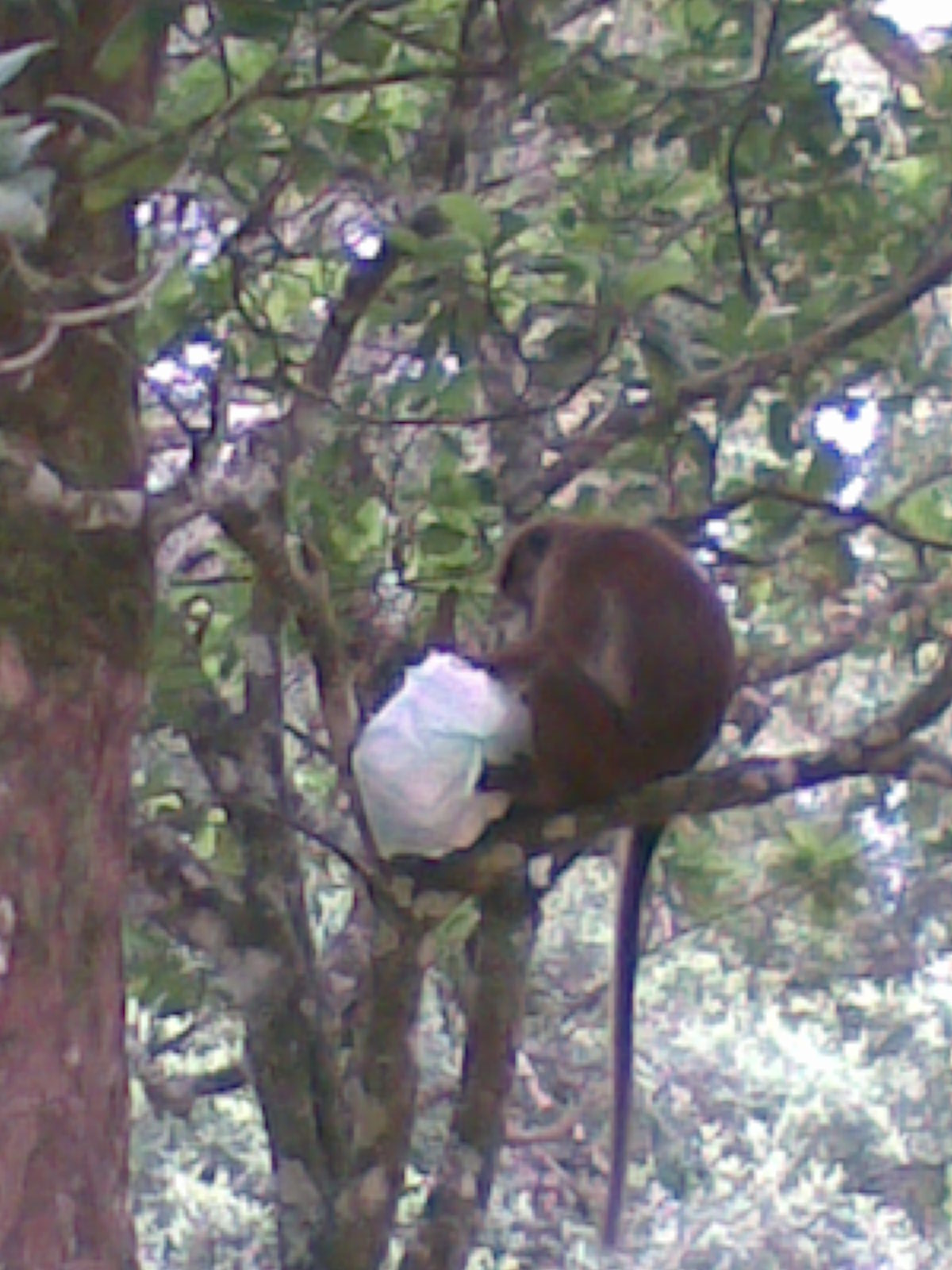
වඳුරන් එම ආහාර මළුවල ඇති දෑ ආහාරයට ගැනිම නිසා ඔවුන්ගෙ ආමාශ තුල පොලිතින් තැන්පත්වීමේ ප්‍රවනතාවයක් පවති.එලෙස පොලිතින් තැන තැන දෑමිමෙන් එම ස්ථානයෙ සුන්දරත්වය නැතිවි යයි. මෙය දිගුකාලිනව ප්‍රශ්ණයක් වී ඇත. අපද්‍රවය බහලන බඳුන් ඇතත් තැන තැන දැමීම නොමන ක්‍රියාවකි. වතු නඩත්තුකරන්නන් ඇතැම් විට වඳුරන් එලවීම සඳහා ඔවුන් දෙසට ගල් විසිකරති.ඇතැම් විට එය එම සතුන්ට මෙන්ම නරඹන්නන්ටද හානියක් විය හැක.


මෙම සිදුවීම මෙම ස්ථානයේ පමණක් නොව රටෙ ප්‍රදන සන්චාරක ස්ථානයකම සිදුවේ.මෙය වලක්වා ගැනීම අපගෙ යුතුකමකි.ඒ සඳහා සැමගේම දායකත්වය ලාබාදිය යුතුය.

රටෙ මෙවැනි සන්චාරක ස්ථානයන්ට ඇතුලත් වන තැන්වලට පොලිතින් රැගෙන යැමෙන් වැලකීම සන්චාරකයන්ගෙ යුතුකමකි. එවැනි ස්ථානවලට පොලිතින් රැගෙනයාම වැලැක්වීමට වැඩ පිළිවෙලක් සැකසීම නිසි බලධාරින්ගෙ වගකීමකි. හෝටන් තැන්න මෙයට හොඳම නිදසුනකී.සන්චාරකයන්ගෙ පාරාදිසයක්, කේන්ද්‍රස්ථානයක් කිරිමට බලාපොරොත්තුවන සැමගේම වගකීමකි.


Horton Plains National Park

Horton Plains National Park is in the highlands of the country belonging to central province. This is the highest plateau in the country. This was declared as a National Park in 1988. The park area is 3160 hectare.

The second & third highest mountains of the country namely Kirigalpotta & Thotupola respectively are found within the borders of the park. Park receives rainfall from both northeast & southwest monsoons as well as inter-monsoonal rains. Frequently occurring mist and clouds are one main source of precipitation. With annual precipitation of about 5000mm Horton Plains is the most important catchments area of the country. Three major rivers of the country start from this area namely Kelani, Walawe & the Mahaweli the longest river of the country. There is a slight dry period between January to March. Due to altitude the area is comparatively cold. Mean annual temperature is around 15'C and during colder months it will go down further where it is cold enough to create ground frost.

Park consists of montane cloud forests embedded in wet montane grasslands. Horton Plains has rich biodiversity. Most of the fauna and flora found in the park are endemic and furthermore some of them are confined to highlands of the island.
Forests are dominated by Calophyllum sp. & Syzygium sp. Giant tree fern Cyathea sp. and colourful Rhododrendron are among the main attractions. Park is also famous for beautiful flowers of endemic Nellu (Strobilanthes sp.), Bovitiya (Osbeckia sp.), Binara (Exacum trinervium) and many other orchid species. Endemic dwarf Bamboo (Arundinaria densifolia) dominates the edges of the river while Chrysopogon zeylanicum and Garnotia mutica dominate the grasslands.

Though this was one of the best elephant habitats in the country they are locally extinct due to poaching & sports hunting occurred during the British colonial era. Leopard and Sambhur & wild boar are the most common large mammals in Horton Plains. Endemic Bear Monkey, Rusty- Spotted and Fishing cats, Otter, Black napped hare and Giant Squirrel are among other mammals. Many species of endemic & threatened rats & shrews are also found in the park. Diversity & endemicity of reptiles (Lizards) and amphibians are remarkably high.
Though this is cold highland plateau the bird diversity is very high. More than 70% of Sri Lanka’s endemic birds are found here.


4/25/2010

Yagirala Forest Enrichment Programme

Forestry and Environmental Science Society of University of Sri Jayewardenepura organized the Yagirala Forest Enrichment Programme on the arrival of Earth day on 22nd of April 2010. It was successfully conducted by Society members with a academic staff. Exactly 204 plants were planted on that day. The main objectives of this programme is to increase the timber value of the current forest cover and enrich the medicinal plants and maintain existing plants. There were major impacts on this plants due to 'Unabata' 'Para' and 'Bowitia' species which are rapidly growing several years ago.
Under these conditions above species were removed in threatened areas. Then replanting was done. Replanted 'Nadun' species and number of medicinal plants are as follow,
1.Nika 2.Woodapple 3.Neem 4.Ranwan Katu Karndu
5.Komarika 6. Garundu Raja 7. Thotila 8. Nelli
9. Bimpol 10.Sudupuruk 11.Dimibiju 12.Nawa
13.Loksumbul 14.Kiripalu 15.Thimbiri 16.Walbowitia.
17. Suwarna Pichcha 18.Mayurapada Enadaru
19.Rathnitul 20.Elanitul 21.Samadana 22.Domba
23.Siyambala 24.MAhamidi 25.Katarodu 26.Batakirilla
27.Kobolila 28.Pathangi 29.Pranajeewa 30.Yakwanassa
31.Kapukiniththa 32.Nawahandiya 33.Wanila 34.Dutusathutu
35.Ethana 36.Heenbimkohomba
37.Kribaduwal 38.Ambilla